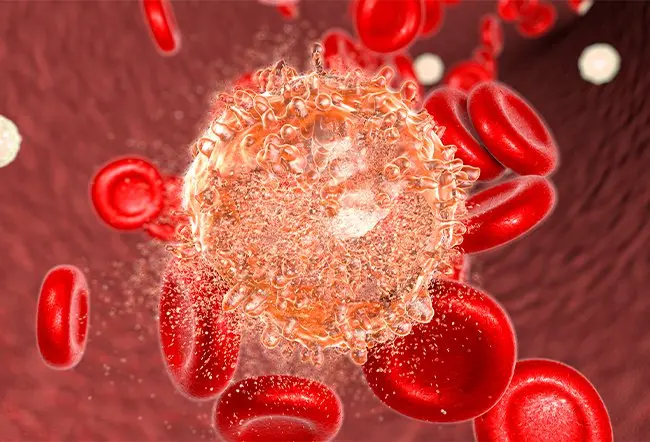
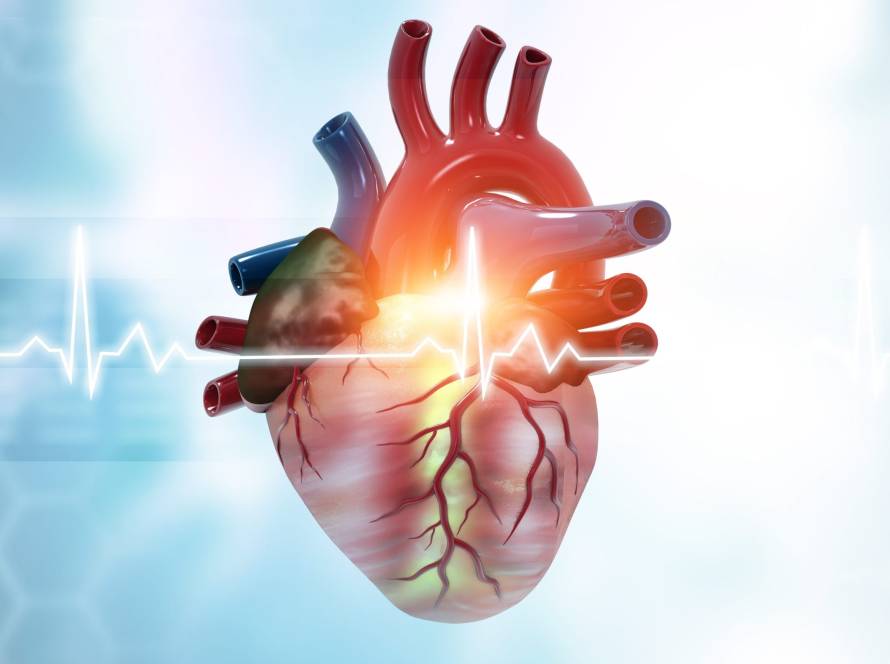
Stroke, also known as a cerebrovascular accident (CVA) or brain attack, is a life-threatening condition that occurs when part of the brain doesn’t receive enough blood flow. This can happen when blood vessels are blocked or because of bleeding in the brain. This lack of blood flow causes brain cells to slowly die due to lack of oxygen. A stroke is the brain equivalent of a heart attack.
There are two main causes of stroke. An ischemic stroke is caused by a blocked artery in the brain, while a hemorrhagic stroke is caused by a leaking blood vessel or bursting of a blood vessel in the brain. A temporary disruption of blood flow to the brain leads to what’s known as transient ischemic stroke (TIA).
A stroke is a medical emergency that calls for immediate medical treatment, which can help reduce blood damage and other complications, including disability from stroke.
Causes and Symptoms
Different parts of the brain control different abilities, so stroke symptoms depend on the affected area. For example, if it affects Broca’s area, an area that controls how you use muscles in your face to speak, you’ll definitely have trouble speaking.
Causes
The causes also depend on the type of stroke:
Ischemic stroke
This is the most common type of stroke, and it happens when the brain blood vessels become narrowed or blocked, leading to reduced blood flow known as ischemia. Blocked or narrowed blood vessels can be caused by fatty deposits that build up in blood vessels or by clots or other debris that travel through the bloodstream, most often from the heart. These types of debris become lodged in the brain causing an ischemic stroke. Some inconclusive research shows that COVID-19 infection may increase the risk of ischemic stroke.
Atherosclerosis, clotting disorders, atrial fibrillation (sleep apnea), heart defects or ventricular septal defects are other causes of ischemic stroke. Microvascular ischemic disease which can block smaller blood vessels in your brain is also a trigger.
Hemorrhagic stroke
This occurs when a blood vessel in the brain leaks or ruptures leading to bleeding inside the brain.
Factors related to hemorrhagic stroke include:
- High blood pressure that’s not under control
- Over-treatment with blood thinners(anticoagulants)
- Bulges at weak spots in the blood vessel walls(aneurysms)
- Head trauma that can be caused by other factors such as a car accident
- Protein deposits in blood vessel walls that lead to weakness in blood vessels (cerebral amyloid angiopathy)
- Ischemic stroke that leads to hemorrhagic stroke
- Brain tumors, including cancer
- Diseases that weaken or cause unusual changes in blood vessels, including moyamoya disease.
A less common cause of bleeding in the brain is the rupture of an arteriovenous malformation (AVM), which is an irregular tangle of thin-walled blood vessels.
Transient ischemic attack (TIA)
This is a temporary period of symptoms related to those of a stroke. A TIA doesn’t cause permanent damage. It’s caused by a temporary decrease in blood supply to parts of the brain and the decrease might last as short as five minutes before it goes back to the normal rate. It’s also called a mini-stroke.
A TIA occurs when a blood clot or fatty deposits reduce or block blood flow to parts of the nervous system. Having a TIA means you may have had a partially blocked or narrowed artery leading to the brain. A TIA increases the risk of having a stroke later in life.
Other general causes of stroke include:
- Migraine headaches especially migraine with aura
- Smoking, which includes vaping and smokeless tobacco
Symptoms
These include:
- Loss of partial or total of one or more senses of visual, hearing, smell, taste, and touch.
- Nausea and vomiting
- Dizziness or vertigo
- Seizures, memory loss, passing out or fainting, coma
- Loss of coordination or clumsiness
Complications
A stroke can sometimes cause temporary or permanent disabilities depending on how long the brain lacks blood flow and the affected parts. Some of the common complications include:
Loss of muscle movement (paralysis)
You may become paralyzed on one side of the body or lose control of certain muscles such as those on one side of the face or arm.
Trouble talking or swallowing
A stroke may affect the muscles in the mouth hence making it hard to talk clearly, eat, or swallow. There could also be a problem with reading, writing or speaking and also understanding speech.
Memory loss or trouble thinking
Many people who have had strokes experience some memory loss or have trouble thinking, reasoning, making rational judgment and generally understanding concepts.
Emotional symptoms
There could be trouble controlling emotions or development of depression if one has had a stroke.
Pain
Pain, numbness, or other such feelings may occur in the parts of the body affected by stroke. A tingling sensation is most likely to occur in the affected areas.
Changes in behavior and self-care
A person who has had a stroke may become withdrawn and may require help in personal grooming and execution of daily chores.
Risk factors
Many factors can increase the risk of stroke. Potentially treatable risk factors include:
Lifestyle risk factors
- Being overweight or obese
- Physical inactivity
- Heavy or binge drinking
- Use of illegal drugs or misuse of prescribed drugs.
Illegal drugs poised to cause stroke include cocaine and methamphetamine.
Medical risk factors
- High blood pressure
- Cigarette smoking or secondhand smoke exposure
- High cholesterol levels in the body
- Type 2 diabetes
- Obstructive sleep apnea
- Cardiovascular diseases including heart failure, heart defects, heart infection, or irregular heart rhythm such as atrial fibrillation
- Personal or family history of stroke, heart attack or TIA.
- COVID-19 infection
Other factors
Age
Persons over the age of 55 have a higher risk of getting a stroke.
Race or ethnicity
African Americans and Hispanic people have a higher risk than people from other races and ethnicities.
Sex
Men have a higher risk than women, but women are more likely to stroke when older and they are more likely to die of stroke than men are.
Hormones
Birth control pills or hormone therapies that include estrogen can increase the risk of having a stroke.
Diagnosis
A combination of neurologic examination, diagnostic imaging and other tests are carried out to determine if one has a stroke. During a neurologic examination a healthcare provider will have you do certain tasks or answer certain questions which may help him look for telltale signs of a stroke.
Tests done to diagnose stroke include:
- Computerized tomography (CT) scan.
- Lab blood tests which help look for signs of infection or heart damage and also testing how well the kidney and liver function, among other things.
- Electrocardiogram (ECG or EKG) to make sure the heart isn’t the cause of the problem.
- Magnetic resonance imaging (MRI) scans.
- Electroencephalogram (EEG) can rule out seizures or other related problems.
Prevention
It’s important to know your stroke risk factors and follow the advice of your healthcare professional about healthy lifestyle strategies. It may help prevent another stroke, in the event you’ve had one, or prevent stroke altogether or lower the risk if you have had a temporary ischemic attack. There should also be a helpful follow up after hospitalization.
Many of the stroke preventive strategies apply to heart attack prevention. General healthy lifestyle recommendations include:
Control high blood pressure (hypertension)
If you’ve had a stroke, lowering your blood pressure helps prevent a TIA or another stroke in future. Healthy lifestyle changes and medicines are used to control blood pressure.
Lower the amount of cholesterol and saturated fats in your diet
You should avoid cholesterol and fats, especially saturated fats which increase build up in the arteries. You should either correct your cholesterol levels through dietary changes or medicine.
Quit tobacco use
Smoking, whether directly or as a secondhand smoker, raises the risk of stroke.
Manage diabetes
Your blood sugar should always be kept in a healthy range by diet, exercise and losing weight. If you are unable to control blood sugar using lifestyle factors, prescribed diabetes medicine should be used.
Maintain a healthy weight
Being overweight contributes to other stroke risk factors such as high blood pressure, cardiovascular disease, and diabetes. Therefore, it’s important that you maintain a healthy weight.
Eat fruit and vegetable rich diet
Eating sufficient servings of fruits or vegetables everyday may reduce the risk of stroke. The Mediterranean diet which emphasizes on olive oil, vegetables, nuts and whole grain is advisable.
Regular exercise
Aerobic exercise reduces the risk of getting a stroke. Exercise lowers blood pressure, increases the level of good cholesterol, improves overall good health of the blood vessels and heart, helps lose weight, controls diabetes and reduces stress.
The American Heart Foundation recommends getting 150 minutes of moderate-intensity aerobic activity or 75 minutes of vigorous aerobic activity in a week . Moderate activities include walking, jogging, swimming and bicycling.
Less alcohol intake
Drinking large amounts of alcohol increases the risk of high blood pressure, ischemic stroke and hemorrhagic stroke. Alcohol may also interfere with the medicine one is taking. However, drinking small to moderate amounts of alcohol may prevent ischemic stroke and decrease the blood’s clotting tendency. One drink a day is presumed moderate.
Treat obstructive sleep apnea (OSA)
OSA is a sleep disorder that causes one to stop breathing for short periods several times when one is sleeping. Treatment for the disorder includes inserting a device that delivers positive airway pressure through a mask to keep the airway open while you sleep.
Avoid illicit drugs
Cocaine and methamphetamine, for instance, are established risk factors for a TIA or stroke and should be avoided at all costs.
PREVENTIVE MEDICINES
If you’ve had an ischemic stroke or a TIA, you need medicines to lower the risk of having another stroke or the first stroke I. future in the event you had a TIA. Medicines which can lower the risk include:
Antiplatelet drugs
Platelets are cells in the blood that form clots. So antiplatelet medicines make the cells less sticky and less likely to clot. The most commonly used antiplatelet drug is aspirin. The right dose can be recommended to you by your healthcare professional. If you’ve had a TIA or a minor stroke, you may need both aspirin and antiplatelet medicine such as clopidogrel(Plavix). The prescription can be for a period of time to reduce chances of another stroke. If you can’t take aspirin and clopidogrel, then you can be advised to take clopidogrel alone. Ticagrelor(Brilintal) is also another antiplatelet drug.
Blood thinning medicine( anticoagulants)
These reduce blood clotting. Heparin is a fast acting anticoagulant for short term purposes in the hospital. Slower working warfarin(Jantoven) may be used for a longer term. Being a powerful blood thinning medicine, you need to follow Instructions carefully and watch the side effects. Blood tests are also advisable to monitor the effects.
There are several newer blood thinning medicines for people who have a higher risk. These include dabigatran(Pradaxa), rivaroxaban(Xarelto), apixaban(Eliquis), and edoxaban(Savaysa). These work faster than warfarin and usually don’t require regular blood tests or monitoring by a healthcare professional. They also don’t pose a higher risk of bleeding complications as compared to warfarin.
Management and Treatment
Management of stroke is determined by the type of stroke of the level of the damage caused .
Ischemic stroke
In this type of stroke, top priority is restoring circulation to affected brain areas. If this happens fast, it can prevent permanent damage or limit severity. Restoring circulation involves another medication type called thrombolytics but may also involve a .
Hemorrhagic stroke
Management here depends on the location and severity of bleeding. Generally, reducing blood pressure is a priority and another option is improving clotting to stop the bleeding. Surgery can be an option to relieve pressure from the brain from accumulated blood.
The oral medication or treatment given depends on the type of stroke and the response to the treatment. The healthcare provider bases the prescription on your medical history, personal circumstances, among other factors . Some of the medicines include:
Thrombolytic drugs
This is a combination of two Greek words: thrombus, which means clot, and lysis, which means loosening. This is an option of treatment for a stroke patient within 3 hours after stroke symptoms start. The medicine dissolves existing clots. A 3 to 4 and a half hour timeframe after the symptoms have been detected should be watched otherwise they increase the risk of bleeding complications.
Mechanical thrombectomy
This is a catheterization procedure and is also time-sensitive. It should be administered within 24 hours after the stroke symptoms have surfaced. It involves inserting a catheter device into a major blood vessel and steering it up to the clot in your brain. The catheter has a tool at its tip that is capable of removing the clot.
Blood pressure management
Blood Pressure causes hemorrhagic stroke in most cases. Therefore, lowering blood pressure is key to treating those strokes. It limits bleeding and makes it easier for clotting to seal the damaged blood vessel.
Clotting support
Hemostasis helps stop bleeding and also repair injuries. Supporting hemostasis involves infusion of medications or blood factors that make it easier for clotting to occur. These include vitamin K therapy, prothrombin or clotting factor infusion, among others. This treatment is mostly used on patients with hemorrhagic stroke and can help control bleeding, especially for people who take blood-thinning medication.
Surgery
Sometimes it’s necessary to relieve pressure on one’s brain, especially with subarachnoid hemorrhages, which are easier to reach because they are on the outer surface of the brain.
Supportive treatments and other methods
Some treatments are supportive while others help avoid complications. It’s up to your healthcare professional to shed more light on the use of some of them.
Best treatment for stroke(ischemic)
A medicine called tissue plasminogen activator (tPA) is used to break up the blood clots that block blood flow to the brain. It’s injected into a vein in the arm and should be given 3 hours after stroke symptoms begin.
Stroke rehabilitation
Recovering or adapting to the changes in the brain is an important part of recovery. It helps the patient regain the abilities they had before the stroke. These programs include:
Speech therapy
It helps regain language and speaking abilities and improve your ability to control muscles in order to breathe, eat, swallow, and drink.
Physical therapy
Helps improve or regain the ability to use arms, feet, and legs. It can also help in balance issues, muscle weakness, among other things.
Occupational therapy
This can help retrain your brain to go about your activities of daily life and is especially helpful in improving a person’s hand movements and muscle control.
Cognitive therapy
This is helpful if you’re having memory loss. It also helps if you have difficulty with activities that require focus or concentration that you could do before.
Foods to avoid
A healthcare professional will most likely advise you to avoid certain foods to reduce your risk of getting another stroke.
- Beverages that contain caffeine such as coffee, tea, soft drinks, among others.
- Foods that contain a lot of salt or sodium which can increase blood pressure.
- Foods that are high in saturated fats, especially fried foods.
- Alcohol or recreational stimulant drugs cocaine and methamphetamine).
Recovery from stroke
Some people may experience full recovery while others will have ongoing impairments (chronic stroke disease). Whether a full recovery is possible or not depends on a variety of factors, with the severity of the stroke, how fast the initial treatment was administered, and the intensity of rehabilitation taking the center stage.
Prognosis
Ischemic stroke
In general, the more severe an ischemic stroke is, the worse the damage. Worse brain damage translates into lost abilities, or at least temporarily lost abilities. Faster medication helps prevent severity.
Hemorrhagic stroke
These cause much worse symptoms, especially when the bleeding is severe. Severe headaches, seizures, and coma are symptoms bound to be experienced.
Length of a stroke
A stroke lasts as long as there’s a lack of blood flow to parts of the brain. Lack of treatment prompts the brain cells to die in the affected areas, causing permanent damage. The effects may even last longer after you have received treatment. Recovery can take six to eighteen months after a stroke. Further progress is possible after that period but can be harder to achieve and may take longer.
Strokes can cause death if they are severe or go long without treatment. Other factors include the part of the brain affected, severity, health history, among others.
Taking care of oneself
A healthcare provider will talk to you about a plan for treatment and the period of treatment, prescribe medication, recommend therapy options, among other things. You should follow the instructions to the letter to maximize your recovery. Other things that you should focus on are:
-Taking medication to prevent having another stroke.
-Going to rehabilitation/therapy appointments, which are important for your recovery.
-Taking care of your mental health because depression and anxiety are common conditions after having a stroke, and being able to contain the stress caused by the same is important.
-Make recommended lifestyle changes which include managing your blood pressure, blood sugar and cholesterol levels. You should also avoid using tobacco products, including vaping, as well as excessive alcohol intake.
After stroke complications
Complications that are common after a stroke and could compel you to seek medical attention include pneumonia, deep vein thrombosis (DVT), pulmonary embolism, heart attack, and seizures.
Prevalence
Strokes are very common worldwide. They rank sexing among the top causes of death. It’s the fifth cause of death in the US. Strokes are also a leading cause of disabilities worldwide.
Conclusion
A stroke is the brain’s equivalent of a heart attack. It’s a critical, life-threatening medical emergency and very time-sensitive, such that delays in medical intervention can easily lead to permanent brain damage and/or death.
However, advances in the understanding of the brain, technological leaps in imaging, and new medications are expanding treatment options.
The faster a person having a stroke gets medical care, the more likely it is to either reverse or limit the effects of the stroke.