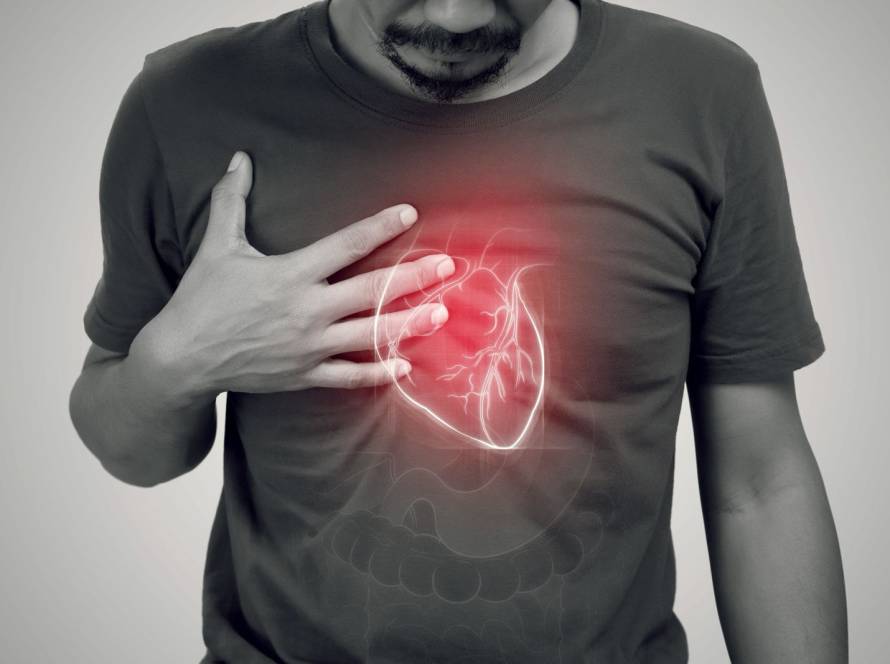
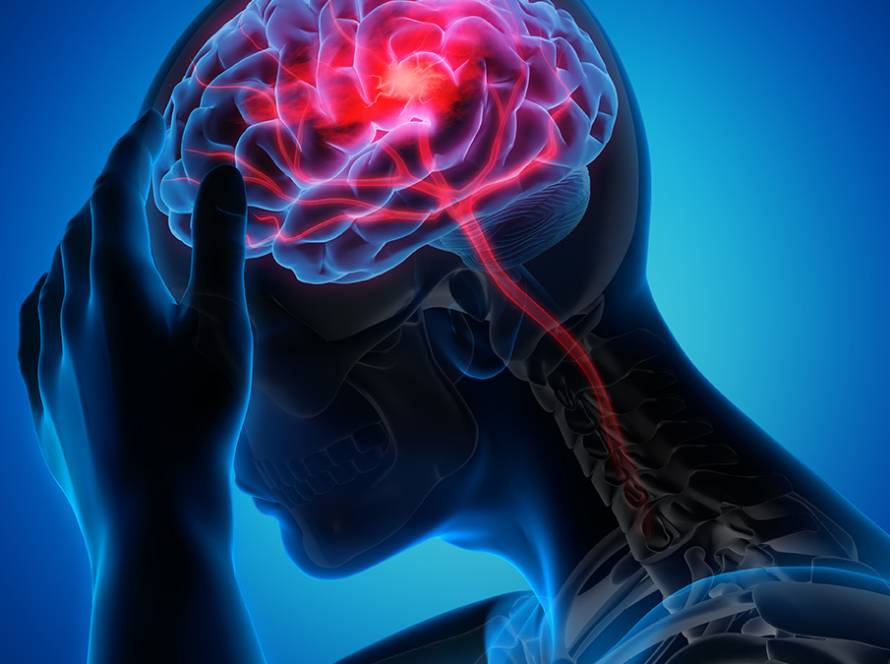
Cardiogenic shock, also known as cardiac shock, is a life-threatening condition in which the heart suddenly cannot pump enough blood to meet the body’s needs. It most often results from a severe heart attack, although not every heart attack leads to cardiogenic shock. While uncommon, cardiogenic shock can be fatal without immediate treatment, and survival remains limited even with timely care. Medically, it is a physiological state in which cardiac dysfunction—usually systolic dysfunction—causes inadequate blood flow to the body’s tissues.
Without oxygen rich blood reaching your brain and other vital organs, your blood pressure drops, your pulse slows and other symptoms such as confusion, sweating, and rapid breathing as well as loss of consciousness set in.
Signs and symptoms
Signs and symptoms of cardiogenic shock include rapid breathing, severe shortness of breath, sudden rapid heartbeat(tarchycadia), loss of consciousness, weak pulse, low blood pressure(hypotension), pale skin, sweating, cold hands or feet, and urinating less than normal or not at all.
Symptoms of a heart attack
It’s important to know the symptoms of a heart attack since cardiogenic shock occurs to people who experience a severe heart attack. These symptoms include:
-Pressure, fullness, or squeezing pain in the center of your chest that lasts for more than a few minutes
-Pain spreading to your shoulder, one or both of your arms, your back and even your teeth and jaw
-Increasing episodes of chest pain
-Shortness of breath
-Light headedness or sudden dizziness
-Nausea and vomiting
Causes
In most cases, lack of oxygen to your heart mostly due to heart attack damages its main pumping chamber, the left ventricle. Without oxygen rich blood flowing there, the heart muscle can weaken and that can result in cardiac shock. In rare cases, damage to the right ventricle which sends blood to your lungs for oxygenation, can lead to cardiac shock.
Other causes of the condition include:
- Inflammation of the heart muscle(myocarditis)
- Infection of the heart valves(endocarditis)
- Weakened heart from any other cause
- Drug overdose or poisoning with substances that can impair your heart’s pumping ability
- Heart failure
- Certain medication, for example calcium channel blockers(though rare)
- Blood clots
- Fluid buildup in the chest
- Pulmonary embolism
- Internal bleeding
- Blood loss
- Rare complications from procedures in the heart
- Abnormal heart rhythm
Risk factors
If you have a heart attack, you stand a risk of developing cardiogenic shock if:
- -You are above the age of 75
- -You have blockages(coronary artery diseases) in several of your heart’s main arteries
- -You have diabetes or high blood pressure
- -You have lung disorders or pneumothorax
- -You are overweight or obese
- -Have underlying cardiovascular disease(ischemic heart disease, heart failure, atherosclerosis)
The disease is more common in Asian Americans and Pacific Islanders.
Complications
This disease can lead to death if not treated immediately. It can also lead to damage to other vital organs including the liver, kidneys, or other organs due to lack of oxygen and the damage can be permanent.
Prevention
Prevention measures are inclined towards lifestyle changes that help to keep your heart healthy and your blood pressure in check. These include:
- Don’t smoke
You are advised to avoid smoking and also second hand smoking to reduce your chances of getting cardiogenic shock.
- Maintain a healthy weight
Overweight contributes to other factors such as high blood pressure, cardiovascular diseases, and heart attack, which in turn lead to cardiogenic shock. Losing just 10 pounds, the equivalent of 4.5 kg, can lower your blood pressure and improve your cholesterol levels.
- Eat less cholesterol and saturated fats
A limit to the intake of saturated fats and cholesterol has a positive impact on your health which prevents you from contracting cardiogenic shock. You should avoid trans fats.
- Use less salt
An intake of too much salt leads to fluid buildup in the body which in turn strains the heart. You should aim for at least less than 2,300 mg a day of sodium as well as checking food labels so as to avoid salts which are mostly found in many canned and processed goods.
- Cut back on sugar
This helps you to avoid nutrient poor calories and helps maintain a healthy weight.
Limit alcohol
If you choose to drink, do so in moderation. Try not to surpass one drink a day if you are a woman and two drinks a day for men.
- Exercise regularly
Exercise lowers your blood pressure and improves the overall health of your blood vessels. You should spare at least 150 minutes of moderate aerobic activity or 75 minutes of vigorous aerobic activity, or a combination of both, in a week. It should be spread out during the course of the week.
Greater amounts of exercise provide even greater health benefits.
Other preventive measures include deep breathing, good sleep(7-9 hours), meditation and deep breathing.
Diagnosis
The diagnosis of cardiogenic shock is made by the emergency medical team in the ambulance or at the hospital. The tests used to determine if one had a cardiogenic shock are:
Blood pressure measurements
Cardiogenic shock usually causes low blood pressure.
- Chest X-ray
The images after a chest ray provide information about your heart and blood vessels and can reveal whether there’s fluid in your lungs.
- Electrocardiogram (ECG)
This test measures your heart’s electrical activity.
- Blood tests
Various blood tests can show whether your blood has too much carbon dioxide or too little oxygen. If this is the case, it’s a sign of cardiogenic shock. Blood tests can also check levels of troponin(proteins that are released when the heart muscle is damaged), which is a sign of a possible cardiogenic shock.
- Cardiac catheterization
This is a procedure used to look for blocked areas in your arteries and check the amount and pressure of the blood that your heart is pumping with each beat.
Treatment for underlying causes of cardiogenic shock
The goal of treating the underlying causes is to restore blood pressure levels and heart function. This often requires immediate treatment that’s usually given in an ambulance or the emergency rooms. Other treatments may include medications or temporary support devices to restore blood flow. Longer term therapy can be employed to address the underlying condition that caused the heart to stop pumping sufficient blood.
- Emergency and short-term treatments of cardiogenic shock
These practices may include oxygen delivered via a tube or a mask, breathing assistance using ventilation intravenous (IV) fluids, and medications to support blood pressure or heart functions. Drugs recommended depend on the cause of cardiogenic shock. Some of these drugs include:
- Clot busting drugs (tissue plasminogen activator {tPA} to dissolve coronary artery clots
- Anti-clotting medicines (aspirin, clopidogrel, or heparin) to prevent new clots
- Drugs that increase the heart’s pumping ability (dobutamine, dopamine, and norepinephrine)
- Nitroglycerin to relax and widen blood vessels
- Drugs that increase the heart’s workload, relieve pain and anxiety or regulate heart rhythm
- Support devices
If medication doesn’t stabilize your heart condition, your healthcare provider may advise using a support device temporarily to take over pumping of your blood, restoring proper blood flow and giving your heart time to recover. These devices which don’t require invasive surgery include:
- Intra-aortic balloon pump
In this procedure, a tiny balloon is placed in the aortic artery, the heart’s main artery, via a thin, flexible tube called a catheter. The catheter is threaded through the blood vessels from an artery in one of the legs. The balloon inflates and deflates to move the blood coming from the heart.
- Impella heart pump
In this procedure, a small pump is implanted in the left side of the heart. It draws oxygenated blood from the heart and pushes it out to the other parts of the body.
- Extracorporeal membrane oxygenation (ECMO)
This external device is used to pump the blood and enrich the oxygen in it which allows your heart and lungs to rest.
Long-term treatment for underlying causes of cardiogenic shock
Once doctors have determined the cause of the cardiogenic shock, various procedures or devices can be recommended to address the underlying problem.
- Coronary artery blockage
In this case, the following procedures can be conducted:
- Coronary artery bypass grafting
This procedure creates a new route that allows blood to flow around a narrowed or blocked artery.
- Percutaneous coronary intervention
These are minimally invasive procedures that use catheters to open blocked arteries and restore blood flow.
- Abnormal heart rhythm
In the event of abnormal heart rhythm, the following procedures are recommended:
- Cardioversion
Medication or brief electric shock is used to reset the heart’s rhythm and restore a normal heartbeat.
- Pacemaker
In this procedure, a small electrical device which regulates heartbeats is implanted under the skin and connected by wires to the heart.
- Catheter ablation
This is a minimally invasive procedure which disrupts the electrical pathway which causes the heart to beat too fast or irregularly.
If the cause of cardiogenic shock is a heart defect or advanced Heart failure, more treatment may be needed. This could include surgery to repair or replace a faulty valve, mechanical circulatory support (devices that assist the heart’s pumping action), or heart transplant.
Stages of cardiogenic shock
There are various stages of cardiogenic shock and each stage requires a tailored treatment from a team of multidisciplinary experts. The treatment may include temporary pumps that support blood flow to vital organs allowing the heart to rest and potentially recover.
Summary
Cardiogenic shock is a medical emergency that occurs when the heart cannot provide oxygen rich blood to the brain and other vital organs of the body. It occurs commonly due to heart attack or heart failure although other complications can ignite it.
Prompt treatment of cardiogenic shock is crucial to give the person the best chance to survive. It also helps to avoid permanent damage to other vital organs which may lead to organ failure. But even with treatment, the mortality rate is high.
You are advised to contact emergency medical services immediately if you notice sudden symptoms of cardiogenic shock or heart attack.